
METELS @ at ECTEL 2026
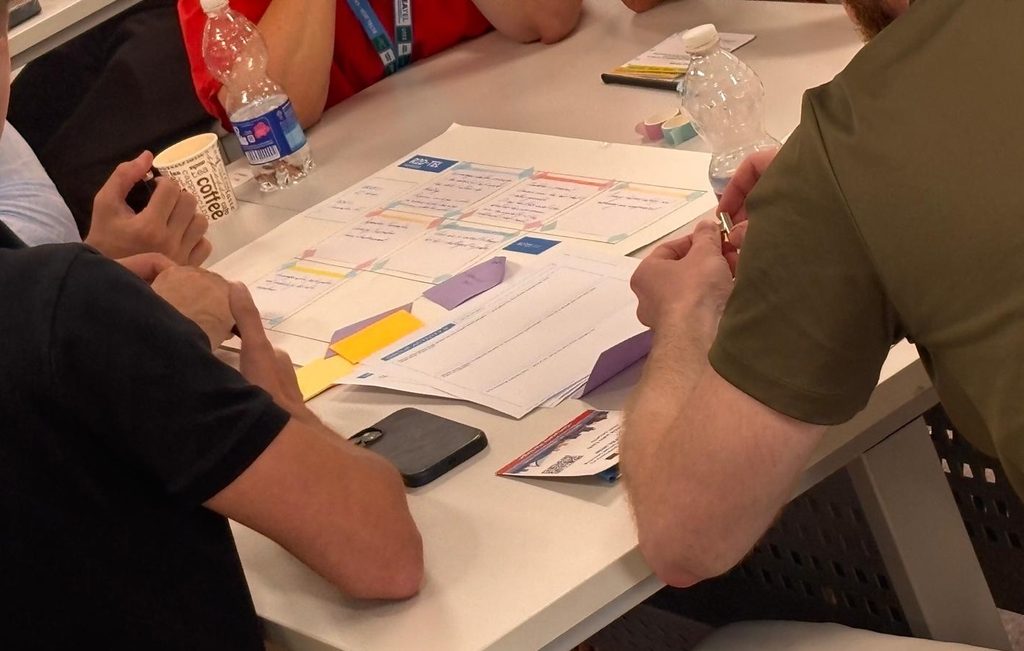
On the 14th September 2026 we have presented our second workshop at the 21st European Conference on Technology Enhanced Learning (ECTEL 2026), organized by EATEL and held in Valência, Spain, from 14–18 September 2026.
Building on the discussions from our first METELS workshop, this session — Reflection to Design: Designing for Engagement in TEL — invited participants to move from critiquing existing engagement measures toward actively shaping new ones, grounded in a recent systematic review of how engagement is measured in practice across 26 empirical TEL studies, 29 validated instruments, and 346 individual scale items.
The workshop brought together 15 participants — researchers, teachers, and students — from several countries, creating an interdisciplinary space for reflection and design. Structured around a Reflection-to-Design logic — individual reflection, collaborative synthesis, and design-oriented outcomes — the day combined a short keynote, an individual card-based reflection exercise, and hands-on group work built around participants’ own technologies of interest, from generative AI tools to educational robots, learning management systems, and gamified platforms.
Working first alone and then in technology-based groups, participants examined engagement across five core dimensions — cognitive, affective, behavioral, social, and agentic — before extending the discussion to two further conditions: how far a technology safeguards learners’ privacy, fairness, safety, and autonomy, and whether it actively supports flourishing and reflective use or nudges toward passive, compulsive engagement.
The day closed with participants co-creating an initial set of design heuristics — practical, testable principles for the ethical and effective design and evaluation of TEL systems — which each group presented to the wider workshop.
The perspectives and heuristics generated during this session will feed directly into the METELS project’s ongoing work, extending the critique developed in our first workshop into concrete guidance for researchers, educators, and designers working at the intersection of engagement, ethics, and educational technology.


METELS @ at JTELSS 2026
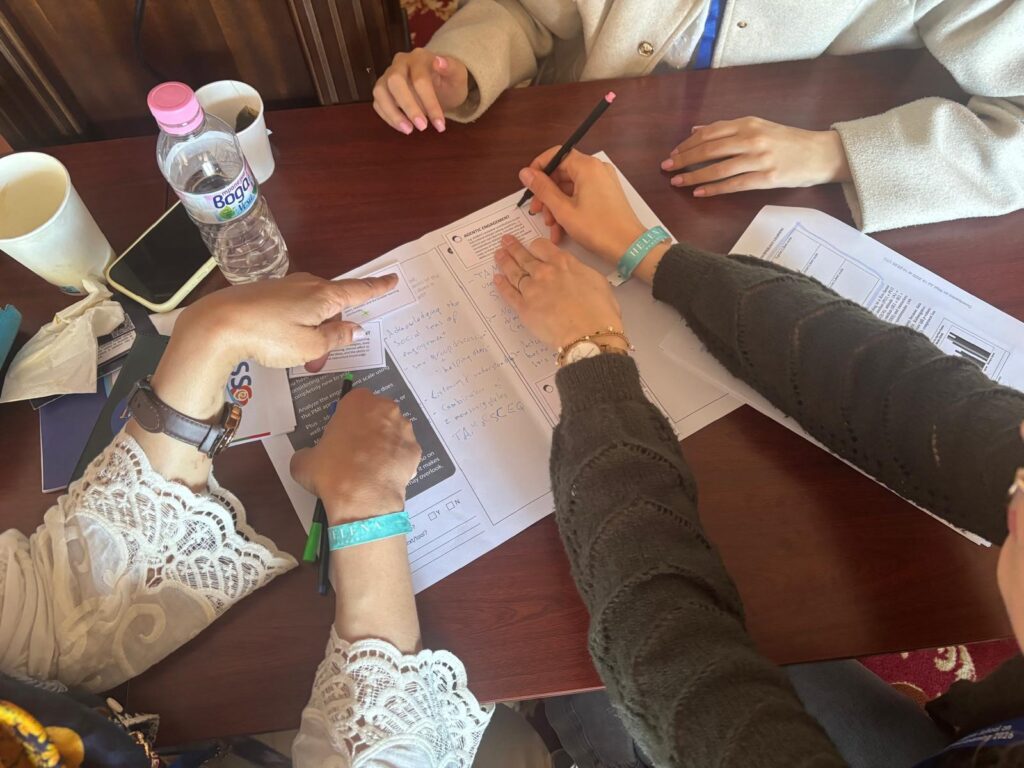
On the 16th-24th may 2026 we have presented our first workshop at the 20th EATEL Summer School on Technology Enhanced Learning (JTELSS 2026), organized by EATEL and held in Burgas, Bulgaria, from 16–24 May 2026.
Drawing on recent research in engagement, digital wellbeing, ethics, and meaningful motivation, the session introduced participants to a multidimensional perspective on engagement in digital learning environments.
The workshop brought together 15 PhD researchers from several countries, creating an international and interdisciplinary space for discussion and knowledge exchange. Through a combination of short presentations, guided reflection, and hands-on group activities, participants explored engagement frameworks and measurement scales and applied them to their own research contexts, technologies, and datasets.
Discussions focused on the opportunities and limitations of current engagement measurement approaches, particularly in TEL settings where technology can strongly influence learners’ motivation, autonomy, wellbeing, and sense of presence. Participants also reflected on how ethical considerations and digital wellbeing can be more explicitly integrated into the design and evaluation of educational technologies.
The workshop generated rich discussions around the evolving role of engagement, wellbeing, and ethics in Technology-Enhanced Learning. The perspectives shared by participants from diverse research contexts will contribute to ongoing work within the METELS project and help shape future research directions on meaningful and responsible digital learning experiences.